
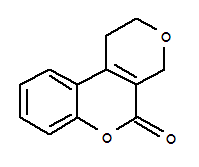
1,4-dihydro-2H,5H-pyrano[3,4-c][1]benzopyran-5-one
- Name: 1,4-dihydro-2H,5H-pyrano[3,4-c][1]benzopyran-5-one
- CAS: 5375-87-1
- Purity: 99%
Details
Export Top Purity 1,4-dihydro-2H,5H-pyrano[3,4-c][1]benzopyran-5-one 5375-87-1 In Stock
- Molecular Formula: C12H10 O3
- Molecular Weight: 202.206
- Vapor Pressure: 1.64E-06mmHg at 25°C
- Boiling Point: 397°Cat760mmHg
- Flash Point: 167.7°C
- PSA: 39.44000
- Density: 1.31g/cm3
- LogP: 1.86570
1,4-dihydro-2H,5H-pyrano[3,4-c][1]benzopyran-5-one(Cas 5375-87-1) Usage
|
Natural Occurrence |
Found in plants such as tonka beans, vanilla grass, and sweet woodruff |
|
Scent |
Sweet, vanilla-like |
|
Health Benefits |
a. Anti-inflammatory
|
|
Safety Concerns |
Implicated in cases of liver toxicity |
|
Regulatory Status |
Banned as a food additive in the United States |
|
Current Applications |
a. Cosmetics
|
|
General Description |
1,4-dihydro-2H,5H-pyrano[3,4-c][1]benzopyran-5-one, also known as coumarin, is a natural organic compound commonly found in plants such as tonka beans, vanilla grass, and sweet woodruff. It is characterized by its sweet, vanilla-like scent and is often used in perfumes, as well as in the production of flavorings such as vanillin. Coumarin has been studied for its potential health benefits, including its anti-inflammatory, anti-tumor, and anti-coagulant properties. However, it has also been implicated in cases of liver toxicity and is banned as a food additive in the United States due to safety concerns. Despite this, coumarin continues to be used in the production of cosmetics, pharmaceuticals, and insecticides. |
InChI:InChI=1/C12H10O3/c13-12-10-7-14-6-5-8(10)9-3-1-2-4-11(9)15-12/h1-4H,5-7H2
Related Products
-
 Biphenyl-4,4'-dithiol
CAS:6954-27-4
-
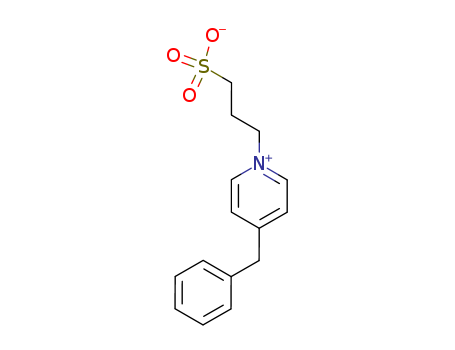 4-benzyl-1-(3-sulphonatopropyl)pyridinium
CAS:93803-28-2
-
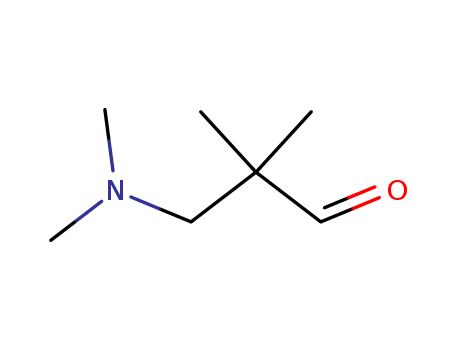 3-DIMETHYLAMINO-2,2-DIMETHYLPROPIONALDEHYDE
CAS:15451-14-6